
Choosing the Right Roofing Materials in 2026: A No-Nonsense Roofing Material Guide for Lynchburg Homes
Choosing the right roofing materials gets easier when you know what you are really buying, because many homeowners do not realize a roof replacement is often driven by leaks, not “due dates”. In fact, 33% of homeowners say leaking is the main reason they seek a new roof, and in Lynchburg, VA that pressure becomes urgent fast when heavy rain and seasonal storms hit.
Key takeaways on the Best Roofing Material
| 1) Start with your climate and wind exposure | The right roofing materials in 2026 are the ones that hold up to Central Virginia weather, not just what looks good. |
| 2) Match the material to your home’s structure | Weight, deck condition, and ventilation all affect which shingles, metal, tile, or slate are practical. |
| 3) Think long-term maintenance, not just installation | A durable material is only “best” if it can be serviced and installed correctly for safe and sound performance. |
| 4) Don’t ignore gutters and runoff | Roofs fail faster when water management fails. If you need gutter help, review our gutter resources. |
| 5) Use reputable professionals | We follow a “No Subcontractors. No Shortcuts.” approach, because installation quality is the material’s best friend. |
| 6) Choose a contractor who talks through trade-offs | If you are weighing options, our roofing team explains what to expect on roof replacement in Lynchburg. |
| 7) Verify warranty and system fit | A top roofing brand and the right ventilation, underlayment, and flashing details are part of shopping the right roofing material. |
Quick Q&A readers ask:
- What matters most when looking up roofing material? Climate performance, installation quality, and how the system handles water and wind in Lynchburg.
- Do gutters affect shingle life? Yes. If runoff is uncontrolled, it will not protect the edges, fascia, or underlying deck.
- Should I replace roof and siding together? Often, yes, because weather-tight details matter. If you are planning exterior work, see our siding tips.
Upgrading your materials offers a complete return on investment via added value.
1) Start with what your roof has to survive in 2026 (Lynchburg weather realities)
When you are looking for the best roofing material, don't just eyeball the price. You need the roofing material to match the important factors that stress your roof and this buying guide will help. In Lynchburg and surrounding areas, that means heavy rain, wind-driven storms, seasonal temperature swings, and lots of tree-related debris around many neighborhoods where the roofing type and roofing option selection is quite broad.
That is why we approach roof replacement as an exterior excellence project, not just a shingle swap. We want your roof and the full system, including ventilation, underlayment, flashing, and water runoff control, to work together for safe and sound performance.
- Wind resistance: Metal roofing and impact-resistant options can be more forgiving in high-wind situations.
- Water management: Even the best shingles struggle if gutters and downspouts send water in the wrong direction.
- Freeze-thaw cycles: Your underlayment and installation details matter when temperatures swing through the seasons.
- Debris and clogging: If leaves and small branches keep filling valleys and gutters, the roofs building materials is only half the fix.
And if you are also dealing with other exterior needs, we handle siding and gutters for residential homes and commercial buildings across the greater Lynchburg area. That matters because exterior systems fail in combination, not isolation.

2) Your roof’s structure and your budget both decide what “best” means
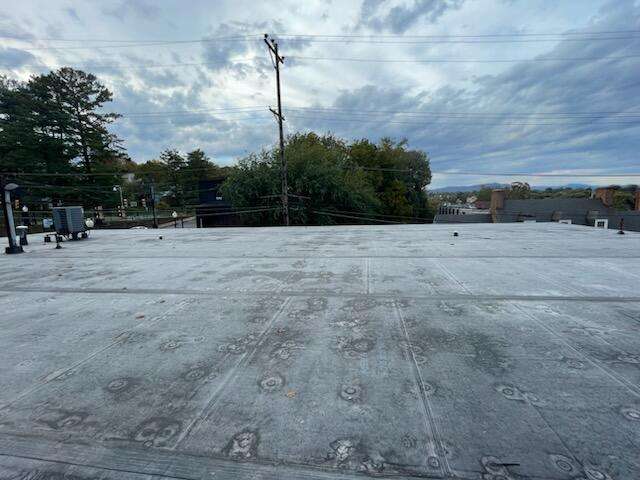
Don't focus only on the product name when selecting the new roofs for your home. It is also about your roof deck condition, framing capacity, roof shape, product ratings, product warranties, and how much work you want to bundle into a single house project.
If your roof deck is soft, moisture-damaged, or uneven, we plan for repairs before we install new roofing materials. That is how you protect what matters most, and it prevents you from paying twice.
- Weight matters: Slate and tile can last a long time, but your structure must support them.
- Roof complexity matters: More valleys, dormers, and penetrations increase the importance of flashing details.
- Budget reality: The cheapest option usually costs more later due to repairs and shortened lifespan.
We provide clear guidance on what is practical, what is optional, and what is required for a roof that is designed to stay in prime condition. Deciding which home improvement project to tackle first can feel overwhelming, but having a clear understanding of the process can ease your mind.
3) Asphalt shingles vs. metal roofing: what homeowners usually get wrong
For most Lynchburg homeowners, asphalt shingles and metal roofing are the most common starting points when shopping for your home. Each has strong benefits, but the “wrong” choice is usually made when people ignore wind exposure, impact resistance, and expected maintenance while shopping building material for your home.
Architectural asphalt shingles remain a popular choice because they balance appearance and performance, and many systems are designed to reach up to three decades with proper installation. Metal, especially standing seam styles, is often chosen when homeowners want strong wind resistance and long-term durability.
When we compare options with homeowners, we also talk about the material system as a whole. That includes underlayment quality, ventilation, flashing, and how the edges and penetrations are sealed.
- Asphalt shingles: Great for many budgets, easy to match to existing styles, and widely available in 2026.
- Metal roofing: Often chosen for wind performance and durability, especially when homeowners want fewer concerns over time.

4) Clay Tile, wood shingles, and slate: premium looks, different trade-offs
Some homeowners want the look of high-end roofing materials, and that is where tile, wood shingles, and slate come in. But in this category means understanding the trade-offs, including maintenance and structural requirements.
Here is how we frame it during consultations. You get a clearer decision because we tie performance to real-life needs around Lynchburg, not just general claims.
Tile roofing materials
Tile can provide a distinctive appearance and strong longevity when installed correctly. We focus on whether your roof structure can support it, and we review how valleys and edges handle water runoff.
Wood shingles
Wood shingles bring natural character, but they require more attention to keep them safe and sound. In storm seasons, debris management and ventilation become key parts of making the material last.
Slate roofing materials
Slate is known for extreme longevity, and many homeowners choose it when they want a roof that lasts for generations. The key is making sure your roof deck and underlayment system are ready for slate’s weight.
- Longevity: Slate typically stands out when homeowners want long-range performance.
- Maintenance: Wood and some premium materials need consistent upkeep.
- Structure: Heavy materials require careful evaluation before installation.
While spring is traditionally the “busy season” for home exterior projects, there are many reasons to handle roofing and exterior decisions during winter, before the warmer weather hits. If your roof has storm damage, leaks, aging shingles, or you have been putting off replacement, now’s the time to get the right plan in place.
5) Cost comparisons that actually help: what affects pricing in 2026
When you are looking for the right roofing material, costs can feel confusing because the sticker price is only part of the story. The bigger picture is what you get for that price, including lifespan, repair likelihood, and how well the system holds up to wind and water in Central Virginia.
Nationally, the average cost to reroof a home is $9,513, and most homeowners see real project totals between $5,867 and $13,211. Your local quote can be higher or lower based on roof size, material choice, and how much repair work is required before installation.
Instead of guessing, we walk you through the trade-offs. We want you to feel confident about the materials and the workmanship, because we provide workmanship that is guaranteed to improve the appearance and durability of your home or commercial property.
| Material direction | What usually drives cost | What you should check first |
|---|---|---|
| Architectural asphalt | Shingle grade, deck condition, and ventilation details | Underlayment, flashing quality, and roof deck repairs |
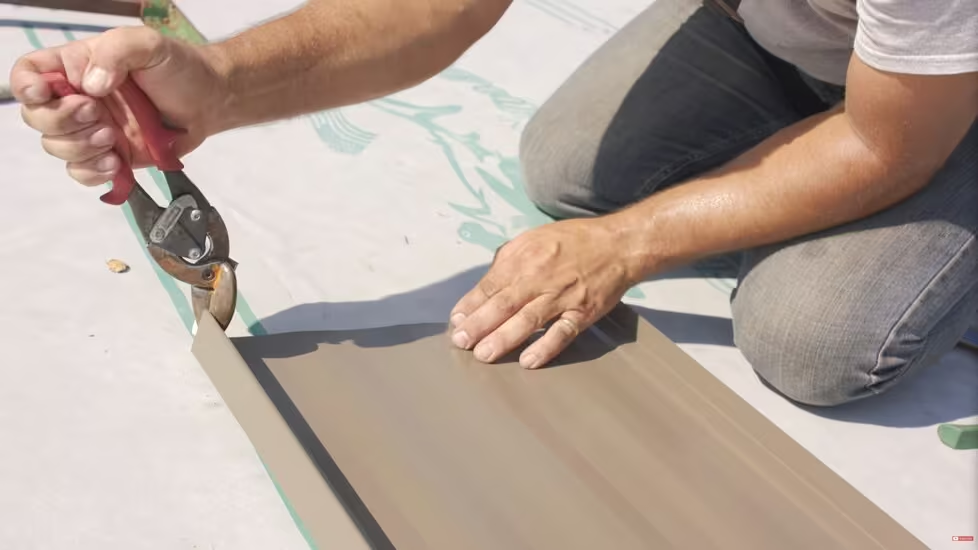
| Metal roofing | Panel style, system components, and installation complexity | Wind-rated system fit, penetrations, and edge details |
| Tile and slate | Material cost and structural readiness | Weight requirements, underlayment, and valley flashing |
6) Picking the right roofing materials also means choosing the right installer
No matter which material you pick, the installation decides whether your roof performs the way it should. That is why getting the right contractor are connected decisions, not separate steps.
We are a locally owned and operated team serving the greater Lynchburg Virginia area with a simple standard. No subcontractors. No shortcuts. Just Lynchburg roofing done right.
- Class A licensed mindset: We plan and install with safety and building standards in mind.
- Workmanship matters: Great materials underperform when flashing, ventilation, and fastening details are rushed.
- Real communication: Brad, Samantha, and Bryan help homeowners understand what is happening and why, not just what to sign.
- Protected edges and penetrations: Most roof leaks start around where water collects.
Our approach to roofing in Lynchburg, VA is all about providing solutions that address the distinct requirements of each home. Ensuring your roof is in prime condition is vital for safety and comfort.
7) Storm damage and impact-resistant choices in 2026
If you have storm damage, the lighter color roof material becomes more than a design question. It becomes a question of how your roof material reacts to impact, wind pressure, and debris in real weather.
Many homeowners ask about impact-resistant shingles and whether the upgrade is worth it. In 2026, more homeowners are thinking about storm-ready materials because modern storm patterns create more frequent roof stress events, and insurance conversations often come up during the decision-making process.
- Impact-resistant options: They can help protect against hail and debris impacts when storms hit.
- Wind-rated systems: Materials and fastening methods need to work as a complete package.
- Water-tight details: Even one compromised penetration can create leaks later.
If you are deciding between standard shingles and higher-grade protection, we help you evaluate what makes sense for your property. We also remind homeowners that leaks are the most common replacement trigger, so getting the roof system sealed and installed correctly is the whole point.
8) A simple process to choose the right roofing materials without stress
We keep the process of purchasing your new roofing material straightforward so you can make an informed decision with peace of mind.
- We inspect: We check the roof system, deck condition, flashing points, and water pathways.
- We review your goals: You tell us what you care about most, lifespan, curb appeal, budget, and timing in 2026.
- We match materials to your home: We explain the pros and cons in plain language, including maintenance and structural fit.
- We plan the exterior system: If gutters or siding need attention, we include them so water control and weatherproofing stay consistent.
- We install with quality workmanship: No subcontractors. No shortcuts. Just Lynchburg roofing done right.
If you want to explore our broader material comparisons, we recommend starting with our guide to the top five roofing materials, pros and cons. It gives you a helpful baseline before you meet with our team.
Conclusion: Get What Fits your Home in Lynchburg
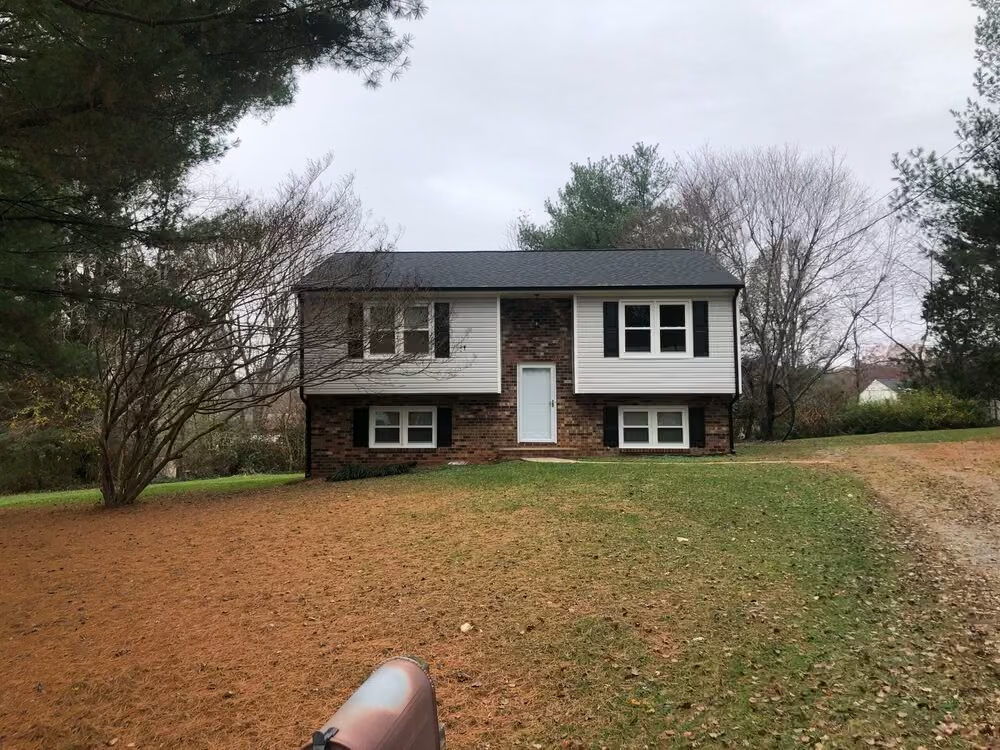
Roofing material is about more than appearance. In 2026, it is about picking a roof system that can handle Lynchburg weather, match your home’s structure, and be installed with quality workmanship, because leaks are still the #1 reason homeowners replace.
We have helped homeowners protect what matters most for over 30 years in Central Virginia, and our process stays focused on safe and sound results. If your roof has storm damage, aging shingles, or you have been putting off replacement, now is the time to get a free estimate and choose materials with confidence.
Frequently asked questions
What are the best roofing materials in 2026 for Lynchburg, VA homes?
The best roofing materials for Lynchburg depend on wind exposure, water management, and your roof structure. We often see strong results with architectural asphalt and metal roofing, and premium options like tile or slate when the structure supports them. Quality roofing material also means proper ventilation and flashing details so the roof stays safe and sound.
Is impact-resistant shingle worth it if we get hail in 2026?
In many cases, yes. Impact-resistant shingles can help protect against hail and debris impacts, and homeowners who invest in Class 4 impact-resistant shingles can significantly lower their annual insurance costs. For storm-prone conditions, we recommend discussing Class 4 options as part of your plan.
How do I know which roofing material is best for my home’s roofline and structure?
We evaluate your roof deck condition, the number of penetrations, and how water flows through valleys and edges. That is the fastest way to determine whether heavier materials like tile or slate are practical or whether asphalt or metal makes more sense. Start every project with the real condition of your existing roof.
Does a new roof always pay for itself, or is that overstated?
A new roof is one of the few exterior projects that typically offers full cost recovery, which means it can protect and improve your investment. In everyday terms, it also helps prevent leaks and reduces the need for repeated repairs. After inspection, we will explain which options deliver the strongest long-term value for your home.
What roofing material lasts the longest, and what should I expect in 2026?
Slate roofing is known for extreme longevity, with lifespan often described as 60 to 150 years depending on conditions and installation quality. If you are considering slate, we will confirm your structure can support it and that installation details meet the material’s requirements. Increasing longevity always includes workmanship and maintenance planning.
Are metal roofs more expensive than shingles, and do they hold up better?
Metal roofing can cost more upfront depending on panel style and system components, but it is known for strong wind resistance and long service life. If your roof faces frequent storm exposure, metal can be a smart choice because it is designed for high-wind performance. We compare both the upfront cost and the long-term durability story for your home.
Should we replace gutters and roofing together?
Often, yes, because gutters affect how water leaves your property and where it collects. If gutters are clogged or misdirected, even the best shingles or metal panels can fail prematurely around edges and penetrations. We handle gutters and roofing together so your exterior stays safe, sound, and comfortable no matter what the weather is outside.