

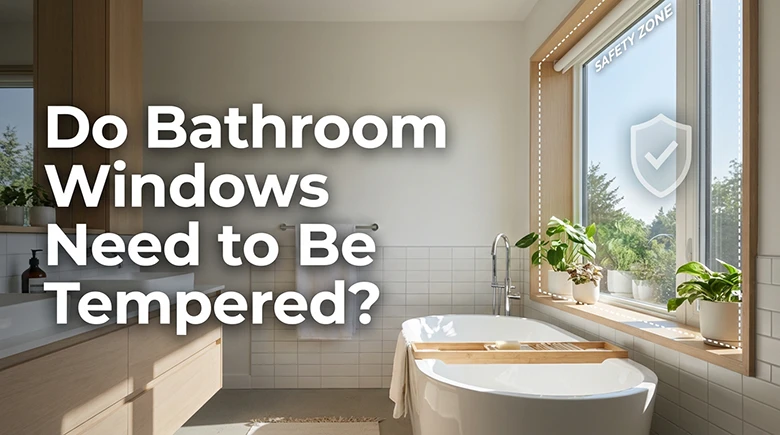
Bathroom renovations are exciting when you get to pick out new tiles, choosing the perfect vanity, or upgrading that shower head to something that feels like a spa experience. But then you hit the "building codes" part of the project, and suddenly you're knee-deep in regulations that sound like they were written by robots. One question that comes up constantly: Do bathroom windows need to be tempered? Do I really have to replace a window that doesn't meet the building codes of Lynchburg, VA?
Here's the short answer: Usually, yes—but it depends on exactly where the window sits.
This isn't just about jumping through hoops to pass inspection (though that matters too). It's about making sure nobody gets hurt if they slip on wet tile and go crashing into a window. Let's break down everything you need to know so you can make the right call for your bathroom project.
First Off: What Exactly Is Tempered Glass?
Before we dive into the rules, let's talk about what tempered glass actually is. In simple terms, it's safety glass —and the difference between safety glass and standard glass is huge when someone accidentally makes contact with it.
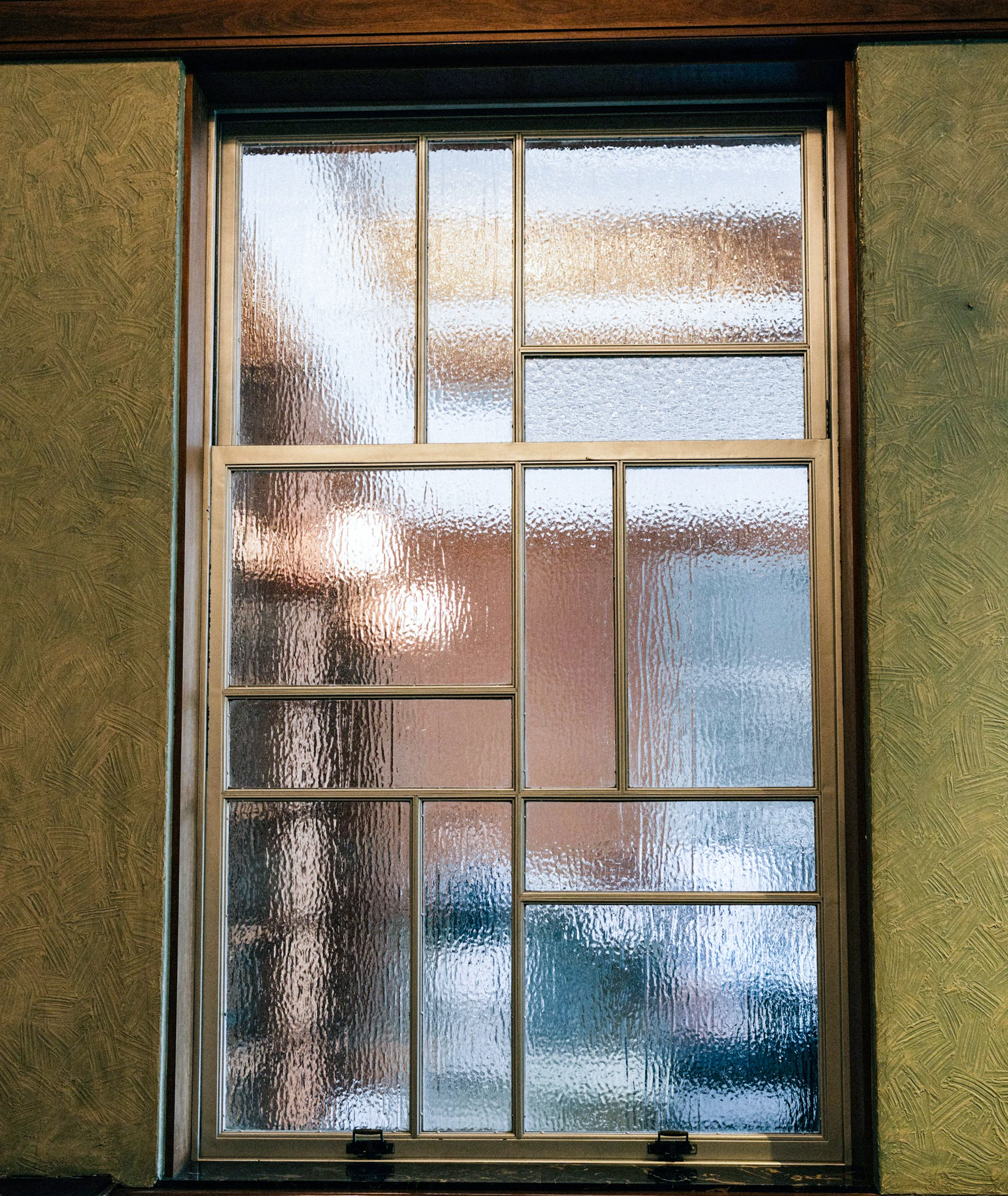
The Difference Between Standard and Tempered Glass
Standard Glass (Annealed Glass):
- Breaks into sharp, jagged shards that can cause serious injuries
- Think of it like a scene from an action movie—dangerous and messy
- One wrong slip could mean a trip to the emergency room for stitches (or worse)
Tempered Glass:
- Crumbles into small, dull pebbles when it breaks
- Still not fun to break a window, but way less likely to cause deep cuts
- Designed specifically to reduce injury risk in accidents
How It's Made
Tempered glass isn't just regular glass with a fancy label. It'sheat-treated during manufacturing to be about 4 times stronger than standard glass. Heating the glass to over 1,200°F and then rapidly cooling is the process it takes to create such a strong internal structure for a material like glass. If it does eventually break, that same heat treatment causes it to shatter into those small, relatively harmless pieces instead of dangerous shards.
The Rules: When Is Tempered Glass Required? (The IRC Codes)
Here's the deal: Building codes exist to keep people safe, and the International Residential Code (IRC) has specific rules about when you need tempered glass. But don't worry—we're going to translate the code language into plain English.
The "Hazardous Location " Concept
The codes focus on what are called "hazardous locations"—basically, places where you're likely to slip, fall, or accidentally bump into glass. Bathrooms qualify as hazardous locations because they're wet, slippery, and people are often moving around barefoot or distracted.
The Critical Measurement s Checklist
Let's get specific. Here are the situations where tempered glass is required in bathrooms:
1. Near Tubs & Shower Enclosures
If your window is less than 60 inches (5 feet) above the standing surface of the shower or tub floor, it needs to be tempered. Period.
Why this matters: Think about it. If you're stepping out of a shower and slip, you could easily fall sideways or backwards. If there's a window within that 5-foot zone, there's a real chance you could hit it. Tempered glass could be the difference between a scary moment and a life-changing injury.
| Measurement | Requirement |
|---|---|
| Window bottom edge to tub/shower floor | Less than 60 inches = Tempered glass required |
| Window bottom edge to tub/shower floor | More than 60 inches = Standard glass typically allowed |
2. Near the Floor
Even if the window isn't in a shower area, it might still need to be tempered if it meets all three of these criteria:
- Bottom edge is less than 18 inches from the floor
- Top edge is more than 36 inches from the floor
- Total glass area is greater than 9 square feet
Rule of thumb: If you've got a big window that sits low to the floor, tempered glass is your friend. This rule applies to any room in the house, not just bathrooms.
3. Near Doors
If a window is within 24 inches of a door's arc (the swing path when the door opens), it needs to be tempered.
Why? Because people walking through doors can be clumsy. Bump the door open too hard, stumble while entering, or lose your balance, and suddenly you're putting your hand through a window. We've all seen it happen (or almost happen).
Quick Reference Table
| Location | Distance Requirement | Tempered Glass Needed? |
|---|---|---|
| Above shower/tub | Less than 60 inches | ✓ Yes |
| Above shower/tub | More than 60 inches | Usually No |
| Bottom edge near floor | Less than 18 inches (with other criteria) | ✓ Yes |
| Near door swing path | Within 24 inches | ✓ Yes |
Why Not Just Skip It? (The Safety Reality Check)
Look, we get it. You might be thinking, "This is an extra expense, and I'm on a budget. How important is this really?"
Let's be honest about what's at stake.
Slip and Fall Risk
Bathrooms are wet zones . You've got water on the floor, steam in the air, soap residue on surfaces—basically, it's a slip-and-fall waiting to happen. Now imagine slipping in your shower and putting your arm through standard plate glass. That's not just a "whoops" moment. That's a potential disaster scenario involving:
- Deep lacerations that could hit arteries or nerves
- Thousands of dollars in emergency room bills
- Possible permanent scarring or nerve damage
- Time off work for recovery
- Trauma that makes you afraid to use your own bathroom
Tempered glass prevents most of these nightmare scenarios. It's cheap insurance.
Resale Value & Inspections
Here's something a lot of DIYers don't think about: home inspections . When you eventually sell your house, a sharp-eyed home inspector is going to check whether your bathroom windows meet code. If they don't, it becomes a negotiation point that could cost you thousands off your asking price—or worse, kill the deal entirely.
Plus, if you're pulling permits for your bathroom renovation (which you should be doing for major work), the inspector isn't going to sign off on standard glass where tempered is required. You'll have to rip it out and start over. Talk about wasted money.
The Insurance Factor
Some insurance companies have been known to deny claims related to glass injuries if the glass wasn't up to code. That's right—you could be on the hook for medical bills AND repairs if someone gets hurt because you cheaped out on the right type of window.
How to Tell If Your Current Windows Are Tempered
Maybe you're not installing new windows—maybe you're just wondering if your existing bathroom windows are up to code. Good news: There's an easy way to check.
The "Bug" Check
Look carefully at each corner of the glass pane. Manufacturers are required to etch a permanent mark (often called a "bug" or stamp) into tempered glass. This stamp includes:
- The word "Tempered," "Temp," or similar designation
- The manufacturer's name or code
- Sometimes "ANSI Z97.1" or "CPSC 16 CFR 1201" (the safety standards)
What to look for:
- Get up close to the glass
- Check all four corners (the stamp is usually in the bottom corner)
- Look for etched text—it might be small but it's permanent
- Use a flashlight if you're having trouble seeing it
No stamp? That's a red flag. If there's no marking at all, you're almost certainly looking at standard annealed glass, which means it doesn't meet code requirements for hazardous locations.
Common Questions (FAQ)
"Can I just put safety film over my old window?"
We hear this one a lot. Safety film (also called security film) can definitely make glass safer by holding the pieces together if it breaks. It's better than nothing, for sure.
But here's the problem: Most building inspectors won't accept safety film as a substitute for actual tempered glass during a permitted renovation. The codes specifically call for tempered glass in hazardous locations, and film doesn't meet that requirement.
Think of it this way: Safety film is a band-aid, not a fix. If you're doing unpermitted work and just want some extra peace of mind, film might be worth considering. But if you're doing things by the book (which we always recommend), you need actual tempered glass.
"Is tempered glass more expensive?"
Yes, it typically costs more than standard glass—usually about 15-30% more depending on the size and manufacturer. A standard bathroom window might run you $200-$400, while the tempered version might be $250-$500.
But let's put that in perspective: Compared to the cost of an emergency room visit (easily $5,000-$20,000 for a serious laceration), a lawsuit, or having to replace windows later to pass inspection, tempered glass is cheap insurance . We're talking about a couple hundred bucks to dramatically reduce injury risk. That's a no-brainer investment.
"What about skylights in the bathroom?"
Good question! Skylights have their own set of rules, and they're different from wall windows. Here's what you need to know:
- Most skylights require laminated glass rather than tempered glass
- Laminated glass has a plastic interlayer that holds pieces together if the glass breaks
- The main goal with skylights is to prevent glass from raining down on you if it breaks
Why laminated instead of tempered? Because even though tempered glass breaks into small pieces, those pieces can still fall on you from above. Laminated glass keeps everything held together, so broken glass stays in the frame instead of becoming a dangerous shower of fragments.
Check with your local building department, but most jurisdictions require laminated glass for any overhead glazing (including skylights) in bathrooms.
"What if I'm replacing a window that's already non-tempered?"
Here's where things get tricky. If you're just maintaining an existing window (replacing broken glass with the same type), you might technically be allowed to use standard glass as a "like-for-like" replacement in some jurisdictions.
However, once you're pulling permits for a renovation or making structural changes, you're required to bring everything up to current code. That means installing tempered glass where required, even if the old window was standard glass.
Our advice? Even if you're technically allowed to replace standard glass with standard glass, consider upgrading to tempered anyway. The peace of mind is worth it, and you'll be ahead of the game when it's time to sell.
Conclusion: Don't Cut Corners on Bathroom Safety
Here's the bottom line: If your bathroom window is near the tub, shower, or floor, go with tempered glass. The few extra dollars you might save by using standard glass aren't worth the risk—not when you're talking about the safety of your family, guests, and future homeowners.
What to Do Next
Before you start your bathroom project:
- Measure your current windows and compare them to the critical measurements we covered ( 60 inches above tub/shower, 18 inches from floor, 24 inches from door swing)
- Look for the tempered glass stamp on existing windows to see if they're already up to code
- If you're unsure or the measurements are close, call a professional to take a look—it's better to get expert advice than to guess wrong
Still Have Questions?
At BTB Roofing, we've seen it all when it comes to residential construction and safety requirements. While we specialize in roofing, we understand how important it is to get every detail right on your home improvement projects—including making sure those bathroom windows are safe and up to code.
Are you in the middle of a renovation and want a second opinion on your windows? Do you need help figuring out what your local building codes are? Call us today! Safety isn't something to wing—it's something to get right the first time.
Remember: Building codes aren't meant to make your life difficult. They exist because someone, somewhere, got hurt in a preventable accident. Tempered glass in hazardous locations is one of those simple safety measures that can prevent tragedy. Don't skip it.








0 Comments