
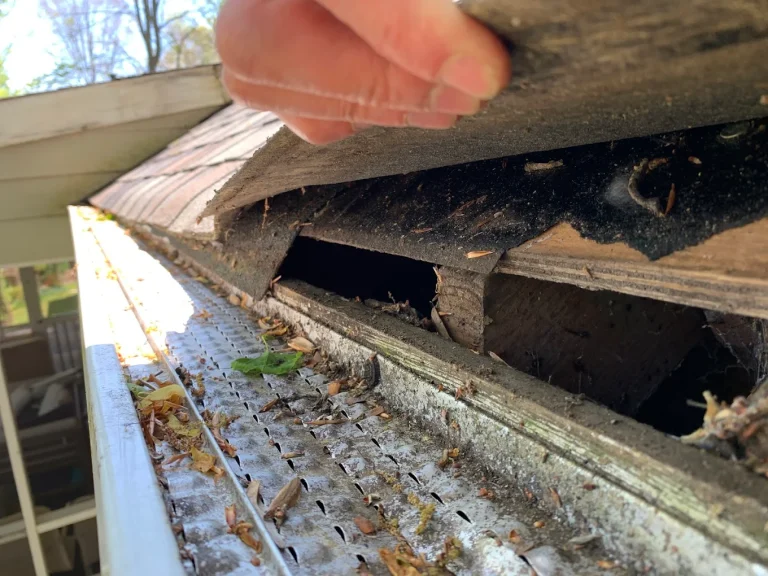
The repair vs. replace debate has always been a hot topic for homeowners, but in 2026 the so-called "open it up" inspection trend is taking that conversation to a whole new level on forums like Reddit, Houzz, and local Facebook community groups. In a 2025 Nationwide Homeowners report, roof repairs and replacements were labeled the most common repair category (41%) and the most costly (37%) among all home repair types, which makes it easy to understand why so many homeowners are demanding a deeper look before they commit to anything.
Key Takeaways
Question | Answer |
|---|---|
What is the "open it up" inspection debate? | It refers to homeowners demanding that contractors remove outer materials during inspection to check for hidden damage before deciding to repair or replace. |
Should I repair or replace my roof in 2026? | It depends on roof age, extent of damage, and material type. A professional inspection is the only reliable way to make that call. Learn more at our roof lifespan guide. |
How much does roof replacement cost in 2026? | Average costs run around $25,840, but can range from roughly $9,858 to $41,822 depending on size, materials, and labor. |
When does "opening it up" during inspection make sense? | When surface damage suggests possible hidden rot, water infiltration, or structural compromise underneath the top layer. |
What are signs I need replacement instead of repair? | Age over 20 years, widespread shingle loss, sagging, daylight visible through decking, and recurring leaks are strong replacement indicators. |
Is the "open it up" trend a contractor trick? | Not always, but some contractors use it as a pressure tactic. Read our guide on signs your contractor may be taking advantage of you to protect yourself. |
Can I inspect my own roof before calling a contractor? | You can use binoculars for a visual check from the ground, but never walk your own roof. Always call a licensed, insured professional for a thorough assessment. |
What Is the 2026 "Open It Up" Inspection Debate?
If you've spent any time on homeowner forums in 2026, you've probably seen it: a thread starts with someone asking whether to repair or replace a few damaged shingles, and within a dozen replies someone suggests the contractor should "open it up" to check what's underneath before making any decisions.
The idea itself is not new, but it has gained serious momentum this year. Homeowners are increasingly asking contractors to pull back surface materials, check the decking, and look for hidden moisture or rot before quoting a repair job. The concern is valid: surface damage often hides deeper problems that a repair won't fix.
The debate, however, is whether "opening it up" is always necessary or whether some contractors use it as an opportunity to uncover (or manufacture) reasons to push a full replacement. On forums, opinions are sharply divided, and that tension is exactly why we wanted to break it down clearly for Lynchburg homeowners.
Repair vs. Replace: Understanding the Core Question in 2026
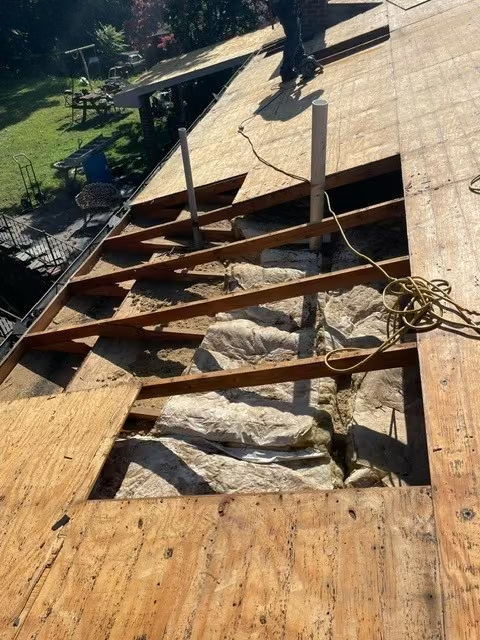
The repair vs. replace debate in 2026 boils down to one fundamental question: is the damage isolated, or has it compromised the broader system? Isolated damage, like a handful of cracked shingles after a hailstorm, is almost always a repair situation. Widespread deterioration, failing underlayment, or a deck that has been absorbing moisture for years points toward replacement.
Here are the basic categories that experienced contractors use to frame that decision:
Roof age: Most asphalt shingle roofs have a functional lifespan of 20 to 30 years. If your roof is approaching or past that window, repair costs can accumulate quickly.
Damage coverage: If more than 25 to 30 percent of the surface is affected, replacement is often more cost-effective than patchwork repairs.
Type and depth of damage: Surface granule loss is one thing. Rotted decking or compromised flashing is another entirely.
Frequency of repairs: If you've patched the same roof two or three times in recent years, you're likely throwing good money at a system that needs to be replaced.
Energy performance: Aging or poorly maintained roofs allow heat transfer that drives up utility bills. A new installation often pays back in energy savings over time.
We've been helping Lynchburg homeowners work through exactly these questions since 1996. After more than 30 years in this business, we can tell you that the right answer is rarely found in a forum thread. It's found during a professional, in-person inspection by someone who knows what to look for.
When "Opening It Up" Actually Makes Sense in the Repair vs. Replace Debate
Let's be honest: there are absolutely situations where pulling back the surface layer is the right call. If a contractor doing a repair is going to tear out damaged sections anyway, taking a look at the decking underneath costs almost nothing extra in labor and gives you real, actionable information.
Here's when the "open it up" approach is genuinely warranted:
Visible sagging or soft spots: If you notice areas of the roof deck flexing or dipping, there's almost certainly moisture damage or rot underneath. Opening those areas during inspection will confirm the extent before any work begins.
Recurring interior leaks: If you've patched exterior damage but the ceiling stains keep coming back, the problem is deeper than the surface. Opening the affected section is the only way to trace the source accurately.
Storm damage after prolonged neglect: Even one day of rain infiltrating a compromised roof can push damage deeper into the system. When deferred maintenance meets storm impact, deeper inspection almost always pays off.
Older homes with layered roofing: Some homes have multiple layers of old shingles. Inspecting what those layers are covering before deciding to repair or replace can save a lot of unexpected costs mid-project.
Suspected flashing or underlayment failure: These components are invisible from the surface but absolutely critical. If the visible symptoms suggest they've failed, opening the roof is the only way to confirm it.
Did You Know?
In 2024, the combined cost value of roof repair and replacement in the U.S. totaled nearly $31 billion, up approximately 30% since 2022.
Source: GlobeNewswire (Verisk Roofing Realities Trend Report)
When the "Open It Up" Push Is a Red Flag in the Repair vs. Replace Conversation
Not every contractor who suggests opening up your roof is looking out for your best interest. The 2026 "open it up" debate on homeowner forums is partly driven by real experiences of homeowners who felt pressured into replacements they didn't need after a contractor discovered "problems" during a deeper inspection.
Watch out for these warning signs during any inspection conversation:
The contractor won't give a repair estimate before opening anything. A skilled contractor can usually give you a preliminary range based on visible inspection alone. Refusing to do so can be a pressure tactic.
Urgency language that doesn't match what you're seeing. If your roof looks functionally intact but the contractor is describing imminent structural collapse, get a second opinion.
No documentation of what was found. Any legitimate contractor who opens up a section should show you photos or physical evidence of what they found and why it matters.
Pushing for a large upfront payment immediately after the inspection. This is one of the classic signs that something isn't right.
Pressure to sign before you can compare quotes. No legitimate contractor will walk away from a fair job just because you want 24 hours to think it over.
We've written directly about this problem because we believe Lynchburg homeowners deserve honest guidance. You can read our full breakdown of three warning signs your roofing contractor may not have your best interests at heart. Knowledge is your best protection.
The Real Cost Difference Between Roof Repair and Replacement in 2026
Understanding the financial side of the repair vs. replace debate makes the "open it up" discussion a lot more concrete. When you know what the numbers actually look like, you can make smarter decisions instead of reacting to pressure in the moment.
Here's a general cost comparison to help frame the conversation:
Scenario | Typical Cost Range | Best For |
|---|---|---|
Minor repair (few shingles, small flashing fix) | $150 to $1,500 | Roofs under 15 years old, isolated damage |
Mid-level repair (section replacement, valley work) | $1,500 to $5,000 | Roofs with concentrated damage in one area |
Partial replacement (one slope or section) | $4,000 to $12,000 | Significant damage in one area, rest of roof sound |
Full replacement (average home) | $9,858 to $41,822 | Aging roofs, widespread damage, failing system |
These numbers make it clear why the repair vs. replace debate is so charged in 2026. The gap between a minor repair and a full replacement can be tens of thousands of dollars. That's exactly why so many homeowners are asking contractors to "open it up" before committing, and why understanding what that process should look like matters so much.
Repair vs. Replace: How a Professional Inspection Actually Works
A real professional inspection isn't guesswork and it isn't theater. At BTB Construction, we've been doing this for over 30 years right here in Lynchburg, and the process is the same every time: systematic, documented, and communicated clearly so you always know what's happening.
Here's what a thorough inspection covers:
Surface-level visual assessment: We check shingles, ridgecaps, flashings, valleys, and penetrations (chimneys, vents, skylights) for visible wear, cracking, missing material, or granule loss.
Decking evaluation: If surface damage warrants it, we assess the structural deck for soft spots, rot, moisture damage, or delamination. This is the legitimate version of "opening it up."
Underlayment condition: We check whether the underlayment beneath the shingles is still intact and doing its job as a secondary water barrier.
Attic inspection: Interior signs of water infiltration, mold, inadequate ventilation, or compromised insulation often tell us as much as the exterior does.
Gutter and drainage check: Gutter condition directly affects how water leaves your roof. Clogged or damaged gutters accelerate roofing problems dramatically.
Documentation: We photograph what we find and walk you through it so you can make an informed decision. No surprises, no pressure.
We're fully trained, licensed, and insured (Virginia Class A License #2705058188), and we carry that standard to every job, no matter the size. You can verify our credentials directly through the Virginia DPOR system.
Repair vs. Replace: How the "Open It Up" Debate Extends to Siding and Gutters
The 2026 "open it up" inspection debate isn't limited to roofing. Homeowner forums are seeing the same argument play out with siding and gutters, and for good reason. These exterior systems are just as interconnected as people think.
Damaged or aging siding can hide moisture infiltration behind the panels that compromises sheathing and insulation. What looks like a simple re-siding job on the surface can involve rot remediation underneath. The same principle applies: a competent contractor should explain exactly why opening anything is necessary and show you what they found.
With gutters, the "open it up" conversation usually comes in the form of contractors suggesting full gutter replacement when a targeted repair or cleaning might be all that's needed. We handle both repairs and replacements for gutters, and we give you our honest assessment based on what the system actually needs, not what generates the largest ticket.
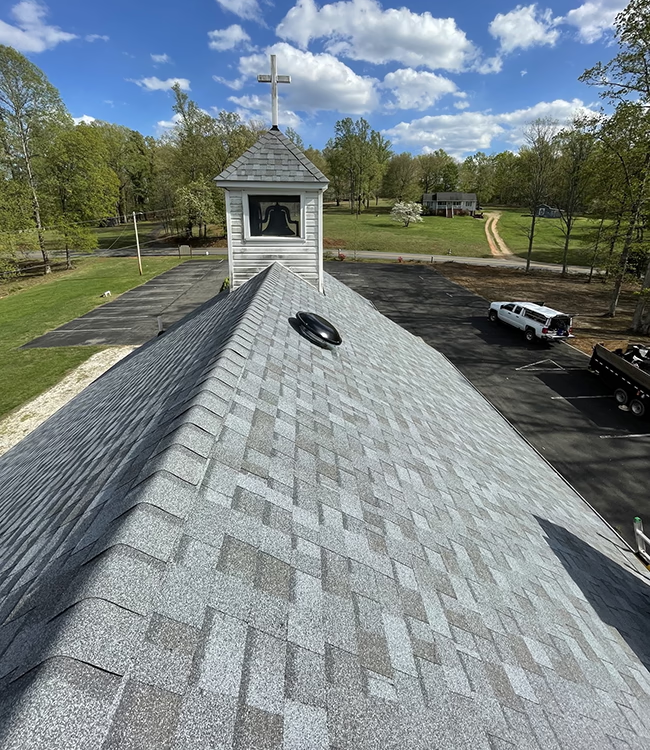
Because we handle roofing, gutters, siding, and windows under one roof, we can evaluate all of your exterior systems during a single visit and give you a complete picture. That matters when you're trying to decide whether a repair makes sense or whether coordinating a broader replacement project would actually save you money and hassle in the long run.
Did You Know?
The average full roof replacement costs around $25,840, with reported costs ranging from $9,858 to $41,822 depending on materials, size, and region.
Source: This Old House
Protecting Yourself in the Repair vs. Replace Conversation in 2026
Whether you're following the "open it up" debate on forums or you're in the middle of your own repair vs. replace decision, here are the practical steps that protect you as a homeowner in 2026.
Start with a visual inspection you do yourself. You don't need to climb on the roof. Use binoculars from the ground or a ladder at the eave line. Look for missing shingles, visible sagging, moss growth, or clogged gutters. This gives you a baseline before any contractor arrives.
Get at least two professional opinions. If one contractor recommends full replacement and another says a repair is sufficient, the difference in assessment is worth understanding before you spend a dollar.
Ask for documentation of findings. Any legitimate contractor should be able to show you photos, measurements, and a written scope of work. If they can't or won't, that's a signal.
Verify licensing and insurance before anyone starts work. You can check Virginia contractor licenses through the state DPOR system. Our own license, #2705058188, is publicly verifiable there.
Understand what's driving the recommendation. Ask your contractor directly: is this repair sufficient for another 5 to 10 years, or are we going to be back here in 18 months? A contractor with integrity will give you a straight answer.
Don't let storm urgency rush your decision. After a significant weather event, it's worth calling a contractor promptly because even a day of water infiltration causes real damage. But urgency doesn't mean you skip due diligence on who you hire.
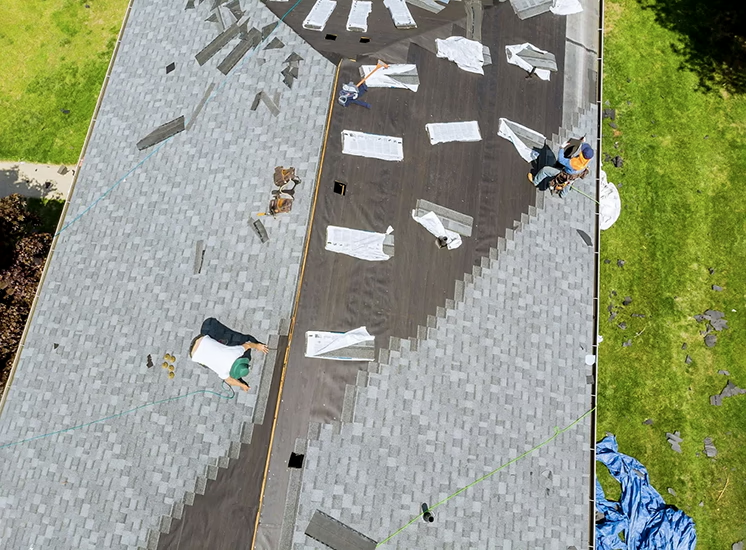
Why Lynchburg Homeowners Trust BTB Construction With Repair vs. Replace Decisions
We're not just a name on a contractor list. We're a locally owned company that has been serving the greater Lynchburg, Virginia area since 1996, and most of our new business comes from neighbors referring us to other neighbors. That kind of trust isn't built by pushing unnecessary replacements or using inspection theater to inflate project scope.
Here's what sets us apart when it comes to the repair vs. replace conversation:
Over 30 years of local experience means we've seen what Lynchburg's climate, storm patterns, and housing stock actually do to roofs over time.
Honest, documented assessments with clear communication throughout. You'll always know what we found, why it matters, and what we recommend.
No project is too big or too small. Whether you need two shingles replaced or a complete commercial flat-roof installation (including BUR, modified bitumen, and EPDM), we handle it with the same quality workmanship.
Full exterior services under one team: roofing, gutters, siding, and windows. This means we can give you a complete picture of your home's exterior health in a single visit.
Listed with the Better Business Bureau and fully licensed and insured, with our Virginia Class A License (#2705058188) available for public verification.
When you call us for an inspection, we come out, assess what's actually there, show you the evidence, and give you our honest professional recommendation. If a repair is the right answer, we'll tell you. If the numbers point toward replacement, we'll explain exactly why so you can make the decision with confidence.
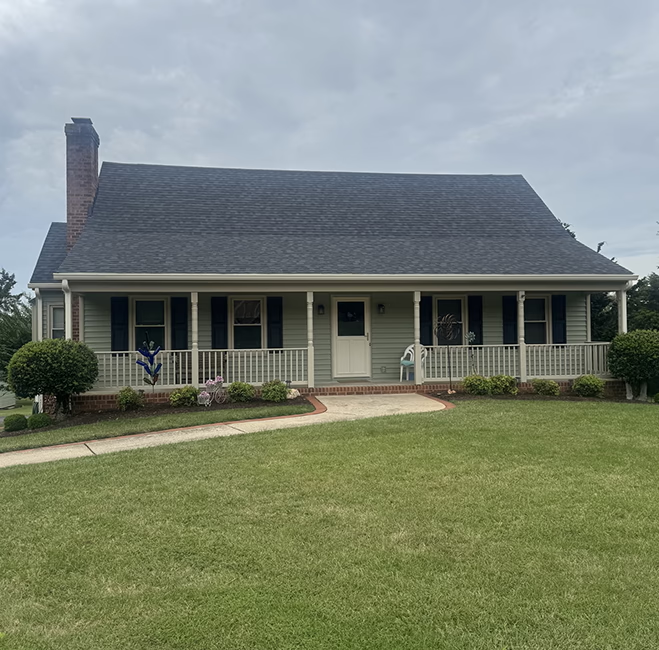
Conclusion
The repair vs. replace debate and the 2026 "open it up" inspection trend spreading on homeowner forums reflect something real: people are dealing with expensive decisions and they want to make sure they're getting the full picture before spending thousands of dollars. That instinct is completely reasonable.
The key is knowing when deeper inspection is genuinely warranted versus when it's being used to create alarm and expand a project scope beyond what's necessary. Armed with the right questions and a contractor you can trust, you can navigate this conversation with confidence.
If you're a Lynchburg area homeowner trying to work through a repair vs. replace decision right now, we'd love to help. Call BTB Construction for a professional assessment. We'll give you straight answers, quality workmanship, and the kind of communication that makes the whole process feel manageable rather than overwhelming. No project is too big or too small, and we're right here in your neighborhood.
Frequently Asked Questions
Is the "open it up" roof inspection trend in 2026 actually legitimate or just a contractor upsell?
The "open it up" approach is legitimate when there are genuine signs of hidden damage, such as soft spots, recurring leaks, or visible structural concerns. It becomes a red flag when a contractor insists on opening sections with no clear visible reason or refuses to give any estimate before doing so. Always ask what specific symptom is prompting the recommendation.
How do I know if I should repair or replace my roof in 2026?
The repair vs. replace decision in 2026 hinges primarily on your roof's age, the extent of damage, and how many times you've had it repaired in recent years. A roof under 15 years old with isolated damage is almost always a repair candidate, while a roof over 20 years with widespread deterioration often makes more financial sense to replace. A licensed professional inspection is the only reliable way to confirm which direction applies to your specific situation.
What should a contractor show me after an "open it up" inspection?
After opening any section of your roof, a contractor should provide photos of what was found, a written explanation of why it matters, and a clear scope of work tied directly to those findings. If they can't show you evidence of what they found, you have every right to ask for a second opinion before agreeing to any work.
Can delaying a roof repair actually make replacement more likely?
Yes, and this is one of the most important points in the repair vs. replace debate. Even one day of water infiltration through a damaged area can drive moisture into the decking and insulation below, turning what would have been a straightforward repair into a more extensive and costly project. Addressing damage early is almost always the most cost-effective path. You can read more about the hidden dangers of putting off roof repairs on our site.
Does the repair vs. replace debate apply to gutters and siding too in 2026?
Absolutely. The same logic that drives the roofing "open it up" debate applies to siding and gutters as well. Damaged siding can hide moisture infiltration behind the panels, and gutter failures directly accelerate roof and foundation damage. Getting a full exterior assessment from a single contractor who handles all these systems helps you see the complete picture before making any individual repair or replacement decision.
What questions should I ask a roofer before agreeing to repair vs. replacement in 2026?
Ask how long a repair is realistically expected to hold, what percentage of the roof surface is affected, whether the decking and underlayment are still sound, and what the contractor would do if it were their own home. Also ask to see documentation of any damage they claim to have found during inspection, and make sure they are licensed, insured, and have verifiable local references before signing anything.
Is a full roof replacement worth it financially in 2026?
When a roof is reaching the end of its lifespan or has widespread damage, replacement is typically the better financial decision because repair costs accumulate and don't address the root problem. With replacement costs averaging around $25,840 but varying widely based on materials and size, it's worth getting a detailed quote and comparing it against the cumulative cost of ongoing repairs. A trusted local contractor can help you model that comparison honestly.